Using My Special Interest as a Coping Strategy
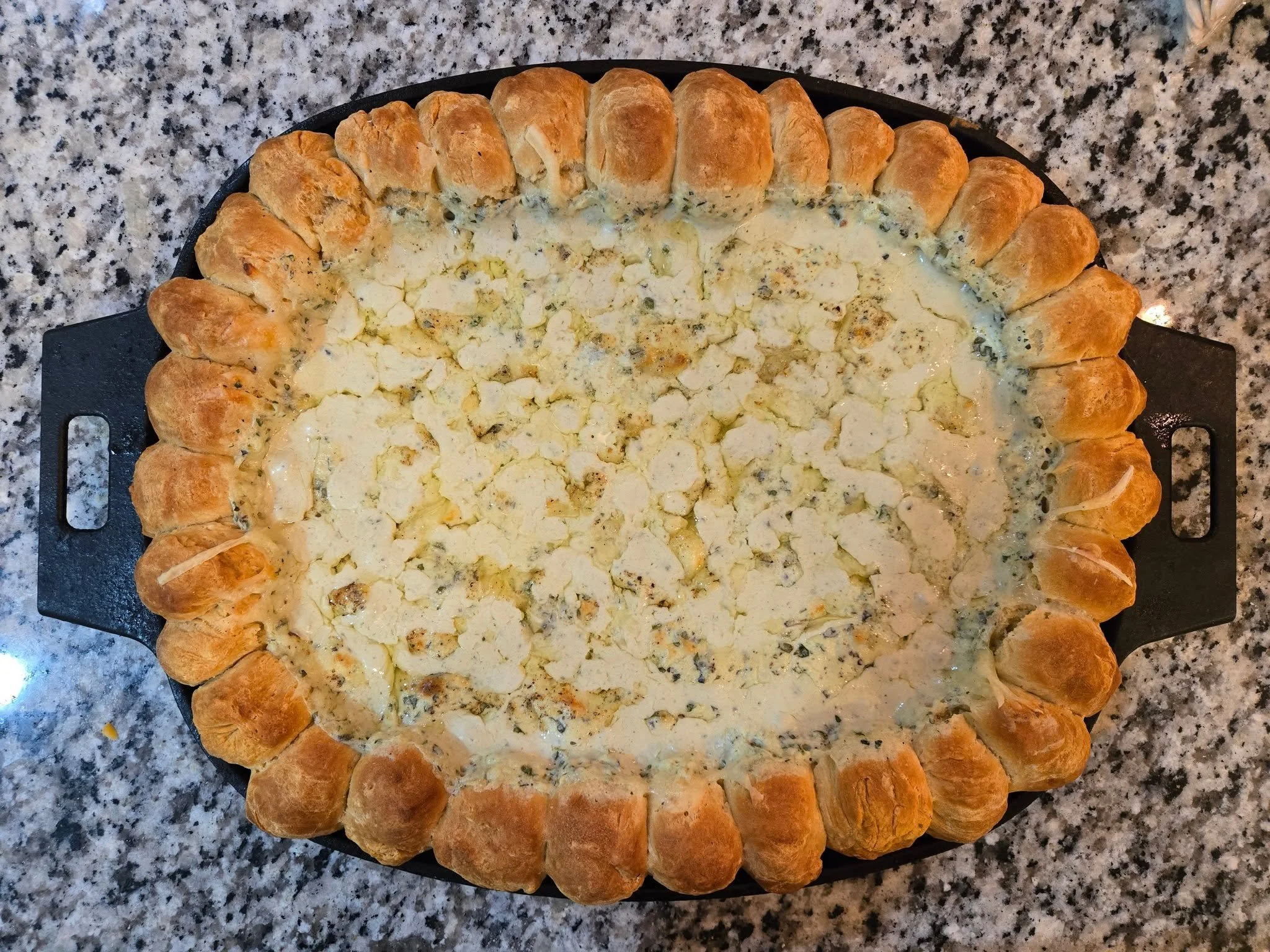
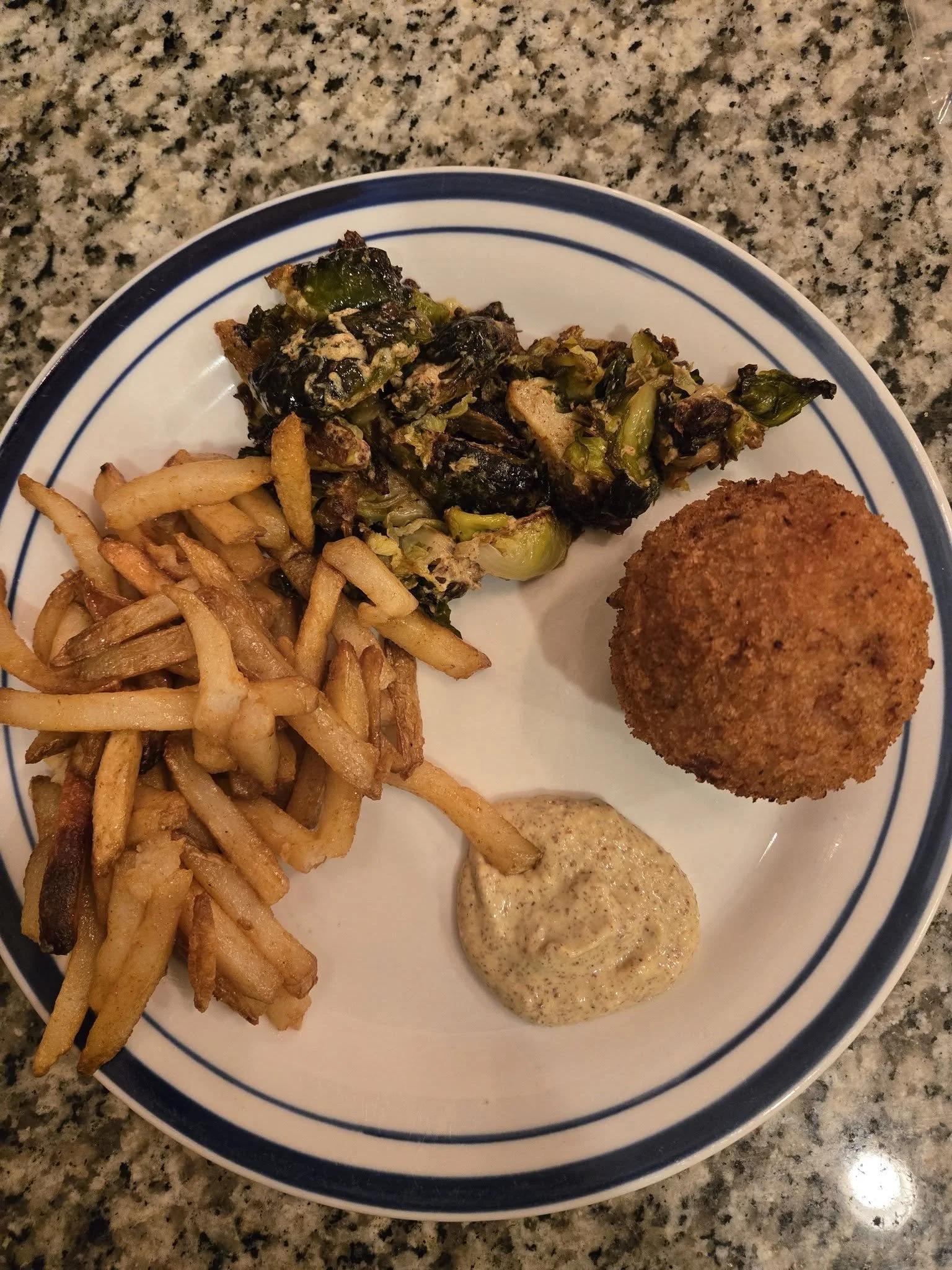
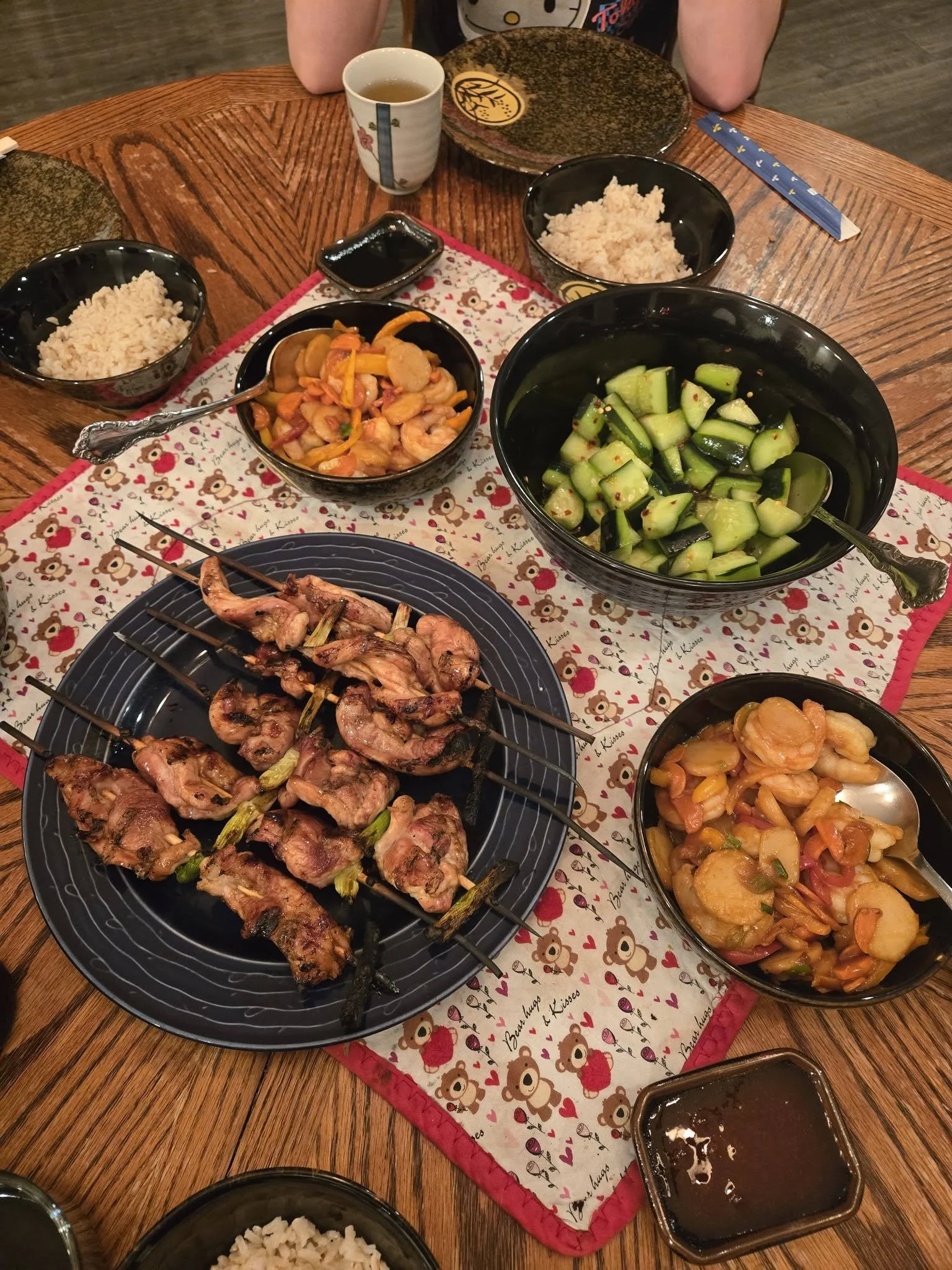
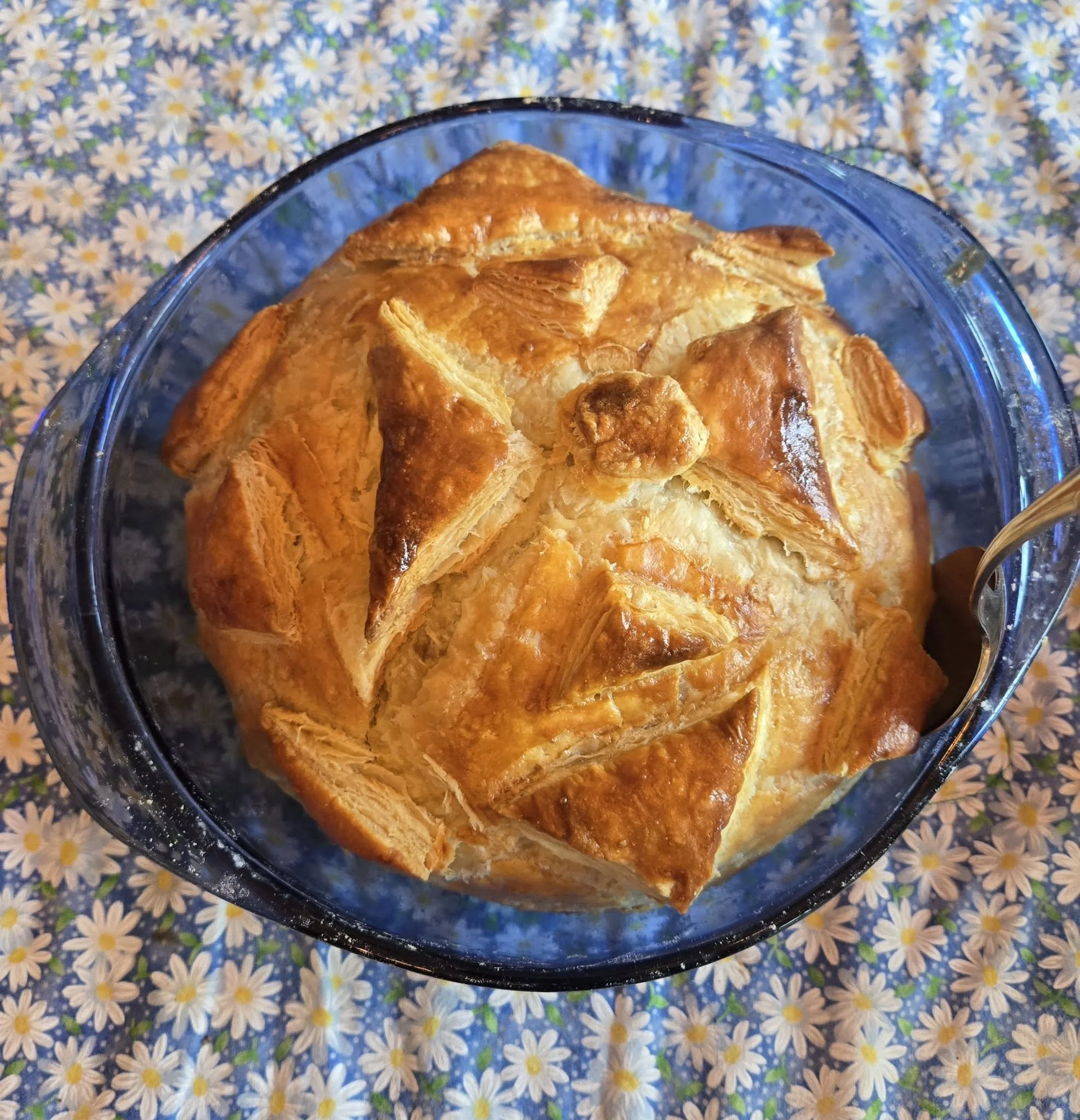
It is common for individuals who receive a late autism diagnosis to look back on their lives and re-process experiences, memories, and to re-evaluate how they view themselves. I am no exception to this, and have been thinking over the last few months about how I have used my special interests to help overcome areas of life that are more difficult for me. For example, I have used cooking and baking since my 20s to overcome my social anxiety.
Before I get into that, my bottom-up processing demands that I take a few steps back and give some background. Many autistic people have taste aversions and sensitivities, sometimes eating so few foods that it can cause health problems. Because of the potentially severe side affects of things like ARFID (avoidant and restrictive food intake disorder), these autistics get a lot of attention. Those of us who are taste seeking aren’t really considered as much when talking about autism and sensory issues unless they develop pica (a condition where the person eats things that are not food).
As a child, I loved strong flavors. My mother said that she had to be careful when she was cutting onions because as a toddler, I would reach up above my head and feel around until I found a few onions to munch on. I remember being 7 or 8 years old and pouring gobs of mustard on slices of bologna, rolling it up, and eating it for a snack. A few years later, I discovered that hot salsa on chicken nuggets was quite delicious, although now I prefer Sriracha. It was around these ages that I also started helping my mom cook in the kitchen. I can remember making chicken noodle soup by myself in first grade and by age 10, I could make a few simple meals for my family. By the time I was graduating high school, I was often the one cooking dinner.
As a young adult, I got a job at a book store and began buying cookbooks on the bargain tables and the world of cooking and baking opened up before me. Within a few years, I had the entire Inland Northwest mapped out and would drive up to an hour to purchase certain ingredients. Trips to Seattle or Portland usually included visits to Asian or Latino markets to stock up on hard-to-find herbs and spices. When I started college at age 21, between my very social husband and a couple of friends from high school, I found a group to hang out with, most of whom were male engineering students, and this is when I started using my hobby to supplement my social difficulties.
I joked at the time that hungry bachelors were the perfect pets, because they would eat anything I was willing to make, and then would bring me coffees or take out my trash as a ‘thank you.’ Looking back, I realize that our house would be full of people and while my husband entertained everyone, I was in the kitchen cooking or baking. I would join in conversations when I wanted, but would also disengage and no one thought this was weird because I was busy. Not only that, but they all liked me because I fed them regularly and they all knew that if they showed up at dinner time, I could figure out how to add to a meal so that they could join in. By the time I finished college, I was less socially anxious and could cook almost anything, as long as I had the ingredients and the cooking equipment…and I have a lot! Any time we need to move, our choices are dependent on whether or not the kitchen area is big enough for me.
Now, I am much more confident socially. I still love cooking and baking, but I am less depended on these interests as an accommodation. I also would like to note that if you like food, you should really find an autistic foodie to have in your life. Be prepared for amazing dishes with a side of info dumping about the history of food, the cultures they come from, and other fun facts. That’s at least how it is at my house! Bon appetit!